An editorial analysis of Dan Houser's creative influence across Grand Theft Auto, Bully and Red Dead Redemption, and the question of whether GTA VI feels different without his storytelling leadership.
What to know
- Dan Houser helped shape Rockstar's characters, satire and narrative identity over two decades.
- His influence can be traced through GTA IV, GTA V, Bully and the Red Dead Redemption series.
- Houser confirmed that he did not write GTA VI's story or develop its characters.
- Any connection between his departure and criticism of GTA VI's writing remains interpretation, not established fact.
Dan Houser wasn't just writing stories. He was helping define Rockstar's identity.
For more than two decades, Rockstar Games built a reputation for characters who felt bigger than the missions they appeared in. Niko Bellic, Carl Johnson, Tommy Vercetti, John Marston, Arthur Morgan, Michael De Santa, Franklin Clinton and Trevor Philips all brought distinct histories, ambitions and contradictions to their worlds.
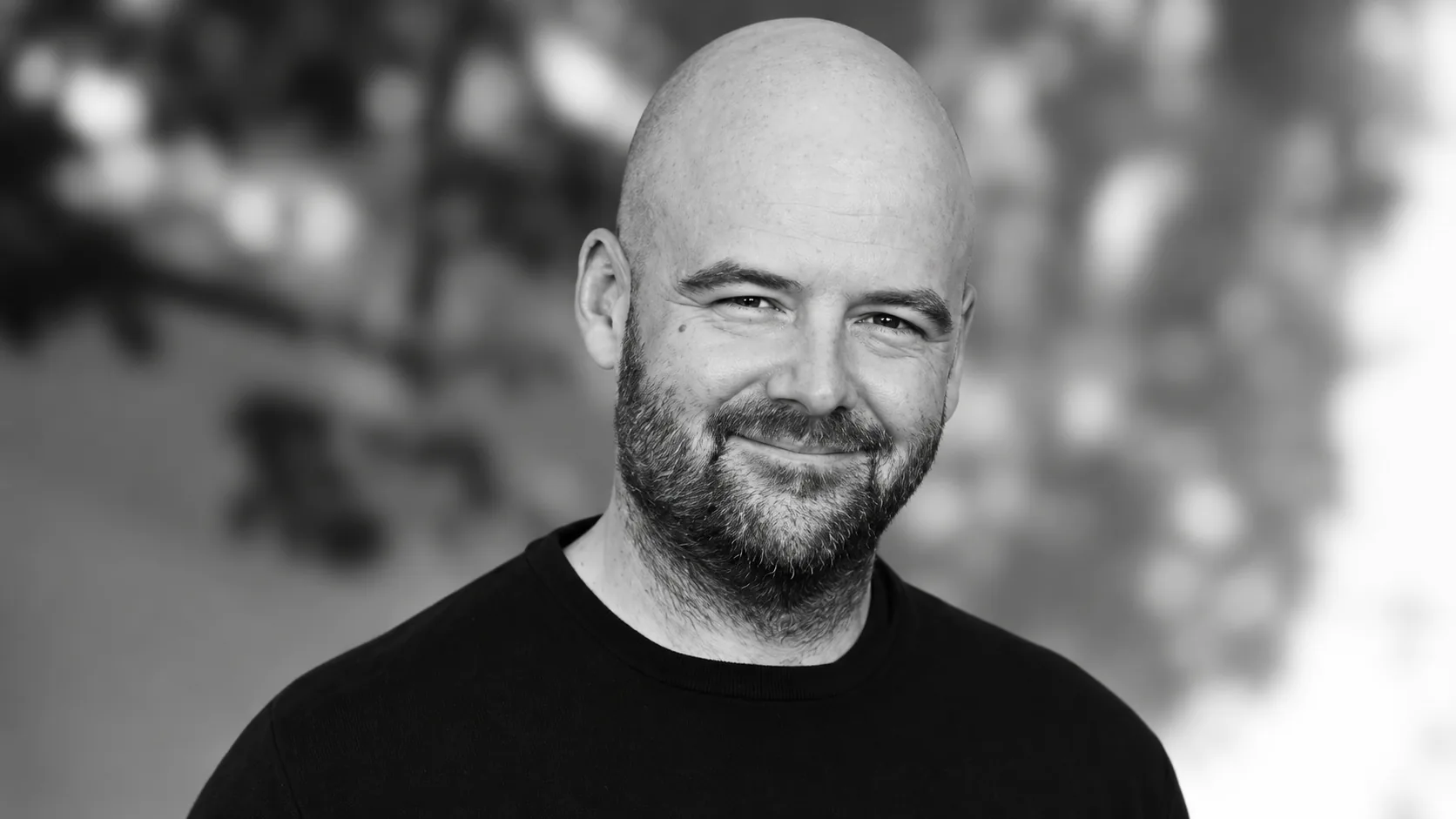
Dan Houser, Rockstar co-founder and longtime lead writer, helped shape that narrative identity. His influence went beyond cutscenes: the radio satire, strange pedestrian conversations, advertising and cynical social commentary helped make Rockstar's cities feel alive. The studio's achievements were collaborative, but Houser was a defining creative voice.
Vice City, San Andreas and Bully: worlds with personality
Grand Theft Auto III changed expectations for open-world games, but Rockstar's identity grew through the games that followed. Vice City's Tommy Vercetti turned an 1980s-inspired crime world into a memorable rise-to-power story. San Andreas brought Carl Johnson home to a world of family conflict, loyalty and corruption.
Bully proved the formula could work outside organised crime. Jimmy Hopkins' school was divided by cliques and corrupt authority figures. The settings changed, yet Rockstar's sharp humour and interest in social hierarchies remained recognisable.
GTA IV: the American Dream becomes a nightmare
Niko Bellic arrives in Liberty City hoping to escape a violent past. Instead he finds exploitation, betrayal and new reasons to resort to violence. His contradictions make the story work: he wants peace but repeatedly returns to the very behaviour that haunts him.
Houser later described how improvements in animation and character presentation allowed GTA IV to tell more complex stories. The writing extended to incidental conversations and the life of the city, not just mission dialogue.
Red Dead Redemption: consequences that stay with you
John Marston wants to leave his outlaw life behind, yet is forced to confront the people from his past. Arthur Morgan begins Red Dead Redemption 2 loyal to Dutch van der Linde, only to question the gang and his own choices as its ideals collapse.
Arthur's development unfolds through quiet conversations, shifting loyalties and hard decisions. Red Dead Redemption 2 is famously deliberate in its pacing, but its slower moments often build relationships and give later events emotional force. Houser has called it the best work of his Rockstar career.
GTA V: three protagonists, three conflicting versions of America
Michael De Santa has money but little happiness. Franklin Clinton wants to escape his circumstances. Trevor Philips rejects almost every social expectation and routinely turns a plan into a disaster. Their clashing personalities create much of GTA V's tension and comedy.
Houser singled out the middle portion of GTA V, when its three protagonists begin working together, as a creative achievement. That emphasis suggests the characters' relationships mattered as much as the spectacle surrounding them.
Then Dan Houser left Rockstar
Houser departed Rockstar in 2020. In September 2025, he confirmed he had not written GTA VI's story or developed its characters. He also expressed confidence that the game would be good. His absence from the writing is established; any claim that it caused specific weaknesses in GTA VI is an interpretation.
That distinction matters. Rockstar's storytelling has always involved other writers, including Rupert Humphries and Michael Unsworth, alongside Sam Houser and large teams of artists, designers, actors and producers. Dan was influential, not a one-man studio.
GTA VI: has the balance between story and freedom changed?
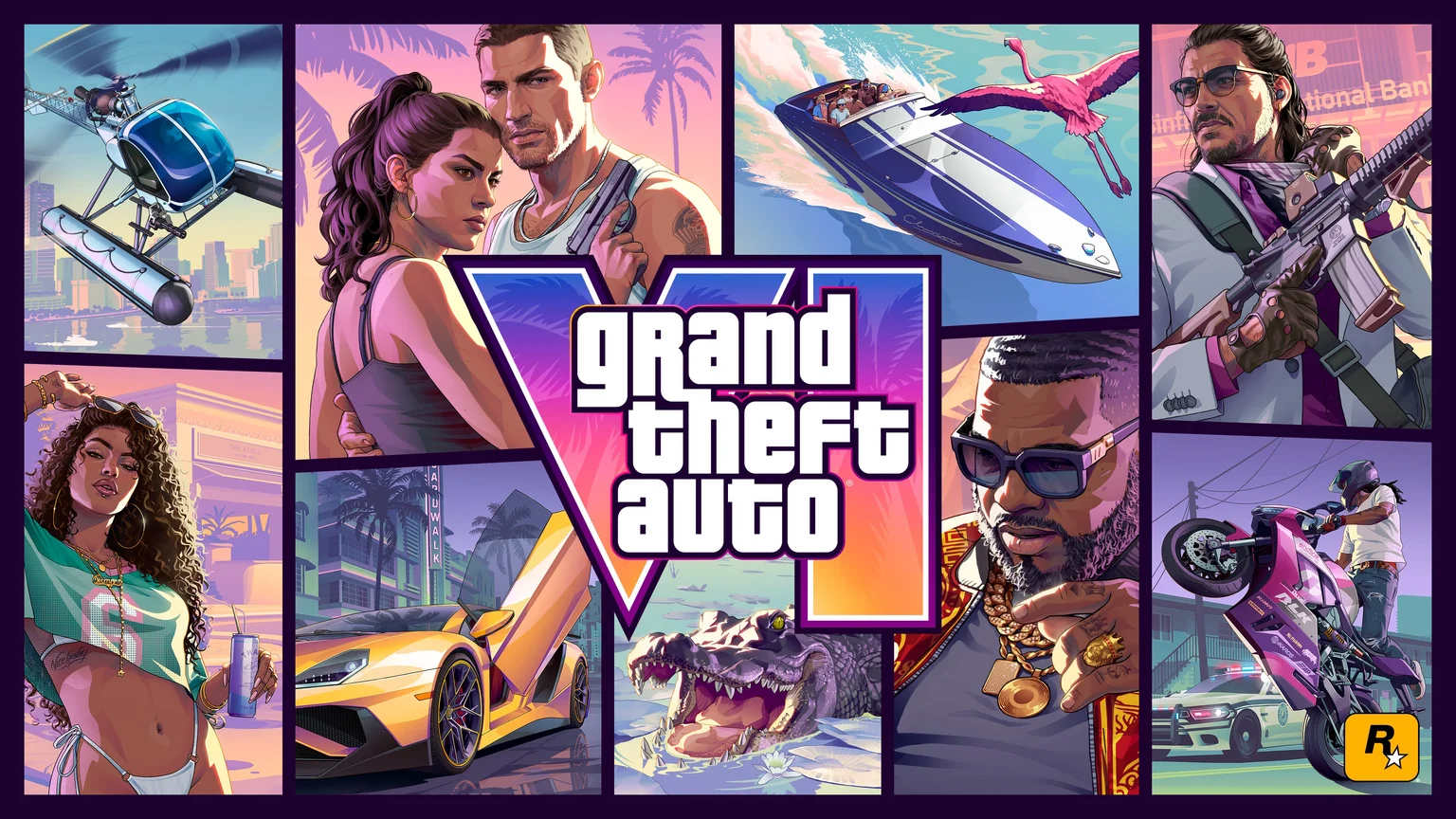
GTA VI centres on Jason and Lucia. There is nothing inherently wrong with a relationship-driven story. Michael's marriage, John Marston's family and Arthur Morgan's loyalty to the gang were all central to earlier Rockstar games.
In my recent GTA VI review, based on about four hours playing on a rented PS5 Pro, I described an opening that felt overly focused on errands and the protagonists' relationship. I missed the freedom and irreverence I associated with earlier GTA games. That is my early personal impression, not a verdict on every mission or character arc in the full game.
The more useful comparison is Red Dead Redemption 2. It was also slow, but its quiet moments often felt meaningful. Perhaps the question isn't whether GTA VI is slower, but whether its opening earns that pace for each player.
The Dan Houser effect: what exactly did Rockstar lose?
Technical progress can make a city breathtaking without automatically making its characters memorable. Rockstar's challenge is whether Jason and Lucia can become as enduring as Niko, Arthur, John or the GTA V trio, and whether the studio can preserve its distinctive satire while establishing a new voice.
Houser's departure does not prove Rockstar has lost its storytelling ability. But it does mark the first mainline 3D-era GTA without his writing, and that makes the comparison unavoidable. Was Houser simply a brilliant contributor, or one of the essential reasons Rockstar stories felt unmistakably Rockstar? We may only fully understand his influence as the studio continues without him.
Sources & further reading
Sources checked 22 Nov 2026.