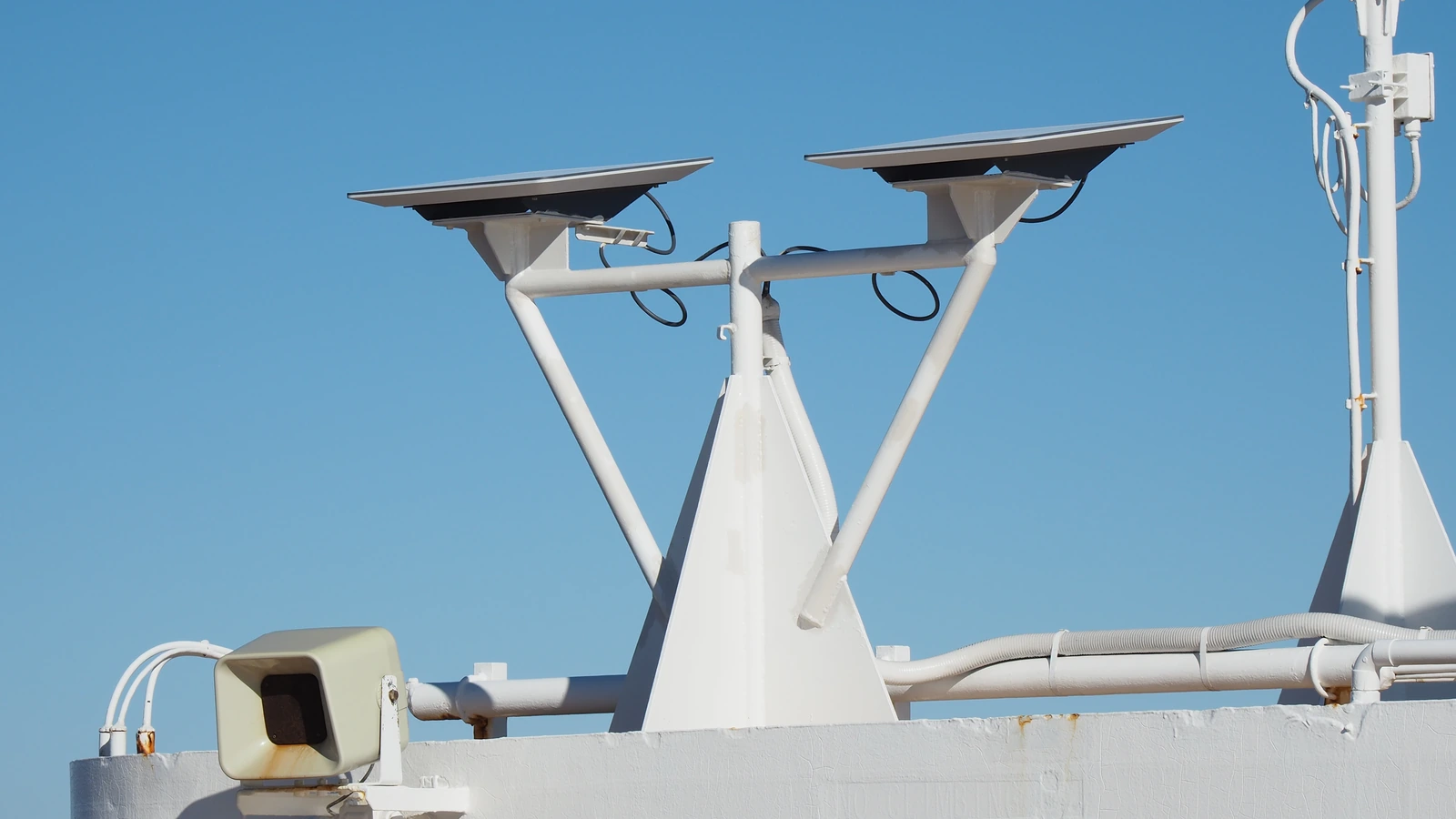
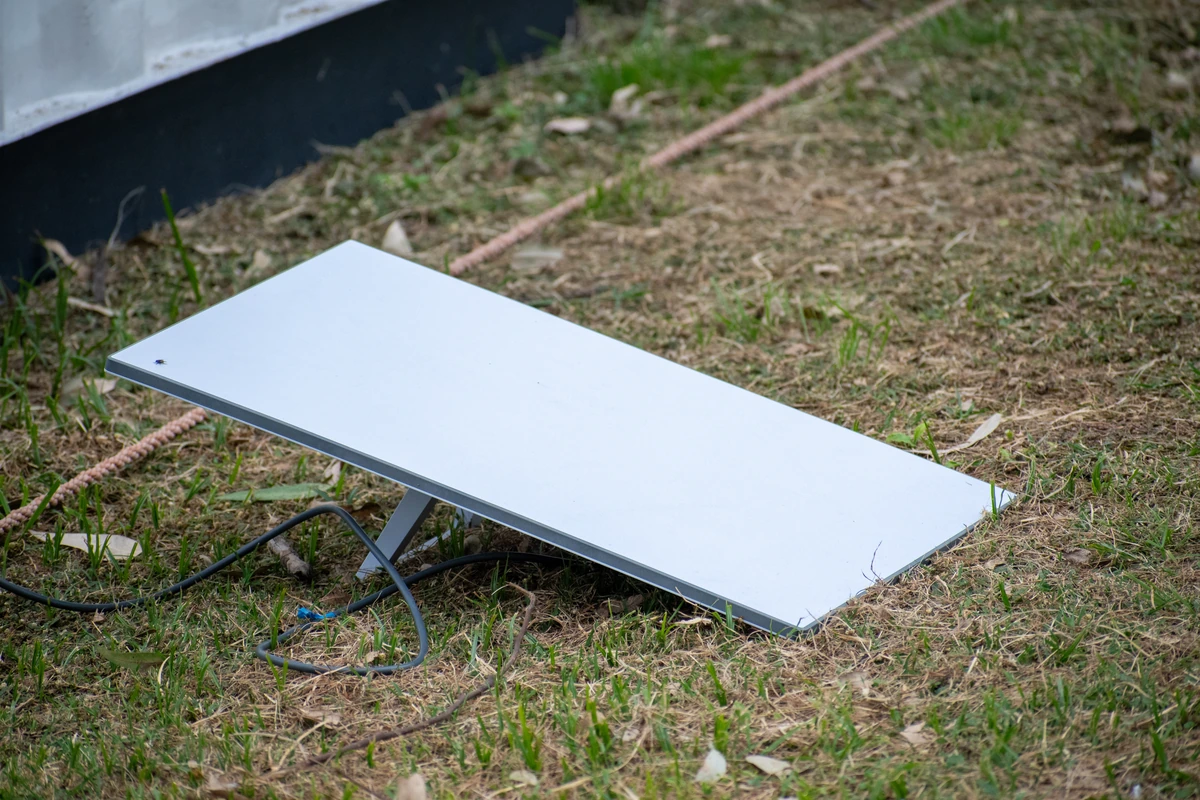
Paratus Group announced on 12 November 2026 that it has launched in Malawi with Starlink enterprise connectivity. The company says its regional network now spans 16 sub-Saharan African countries. The offer includes local installation and support, and is aimed at organisations rather than announcing a new consumer service for South Africa.
What to know
- Paratus Malawi initially offers Starlink enterprise connectivity and local installation and support.
- The company says its network now reaches 16 countries in sub-Saharan Africa, following its Lesotho launch.
- This is a Malawi business-service announcement, not a new Starlink launch or consumer pricing announcement for South Africa.
Another market for Paratus
Paratus Group has announced a new operation in Malawi, expanding its regional telecommunications business with an initial focus on Starlink connectivity for organisations. The company’s announcement on 12 November describes a managed service backed by local installation and technical support.
The move comes a week after Paratus announced its Lesotho operation. According to the company, the Malawi addition brings its sub-Saharan footprint to 16 countries.
The target market spans businesses that need connectivity beyond major urban centres, including agriculture, financial services, logistics, healthcare and education. Paratus has not presented this launch as a new household internet package or published a South African consumer price in the announcement.
Why managed satellite internet is different
Starlink uses a network of satellites in low Earth orbit to connect user terminals to the internet. A satellite connection can be useful at a location where running a fibre line is impractical or a mobile signal is unreliable.
A managed enterprise offering adds a service layer around that connection. An organisation may need equipment installed at several sites, technical assistance when a link fails, and integration with the rest of its network. Buying a connection and managing a company network are not the same job.
Consider a logistics operation with depots in several countries. A satellite link could help a remote depot reach central systems, but the business still needs appropriate network security, power backup and a plan for interruptions. Paratus's regional expansion is relevant because it offers the prospect of a local service contact alongside the underlying satellite connection.
What businesses should check before signing up
A satellite connection is not automatically the best option for every site. Where dependable fibre is available, a business might choose fibre as its main link and use satellite as a backup. Elsewhere, satellite may be the practical primary connection.
Organisations should ask about installation costs, equipment, support response times, traffic allowances and service commitments. They should also establish whether the site has a clear view of the sky and enough reliable power to keep the equipment running. These are procurement considerations, not claims about performance already measured in Malawi.
A regional deployment also needs a country-by-country check. The availability of a service in one jurisdiction does not establish that the same plan or equipment is authorised elsewhere.
What does this mean for South Africa?
For South African companies doing business elsewhere in southern Africa, the expansion is a useful development to watch. It illustrates how regional telecommunications providers are combining satellite access with managed network services.
It does not establish a new Starlink consumer launch in South Africa. That question depends on local authorisation, commercial arrangements and official availability in the country. Customers should check the relevant local service and regulatory information rather than assuming a neighbouring country's launch changes South African availability.
The next thing to watch is how Paratus packages the Malawi service for businesses, including support and how it fits into the company's regional network.
Malawi, Lesotho... I wonder if we'll ever get Starlink here in South Africa. At this rate, the satellites might have more stamps in their passports than we do. But hey, let's keep it pushing.
Sources & further reading
Sources checked 13 Nov 2026.